

Neonatal sepsis, a systemic infection that occurs in infants within their first 28 days, is a leading cause of death worldwide. The burden is particularly high in low- and middle-income countries (LMICs), where both incidence and mortality rates surpass those in high-resource settings. The rise of antimicrobial resistance, fueled by multidrug-resistant pathogens common in LMICs, further complicates effective treatment. Vaccination provides a promising approach to prevent infections caused by common neonatal sepsis pathogens, potentially decreasing sepsis cases and reducing resistance.
This review examines the burden of bacterial pathogens, specifically Group B Streptococcus (GBS), Klebsiella pneumoniae, and Escherichia coli, responsible for neonatal sepsis, drawing from a comprehensive literature search focusing on the last ten years across major databases. It provides an overview of vaccine candidates in clinical development, highlights innovative approaches in preclinical research, and discusses the key challenges associated with vaccine strategies preventing neonatal sepsis.
Given the multivalency of vaccines for neonatal sepsis, innovative technologies are being developed. Identifying correlates of protection has been crucial for GBS vaccine development and could facilitate vaccines against K. pneumoniae and E. coli. New regulatory and clinical strategies, including disease-based rather than pathogen-specific approaches, should be explored.
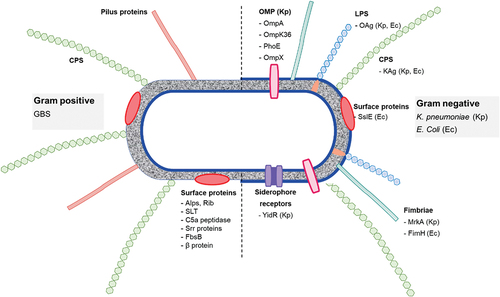
E. coli