
Antimicrobial resistance (AMR) is one of the most critical threats to global public health in the 21st century, causing many deaths each year in both high-income and low- and middle-income countries. Vaccines and monoclonal antibodies can be used to prevent and treat diseases caused by AMR pathogens, thereby reducing the use of antibiotics and the selective pressure that favours the emergence of resistant strains. Differences in the mechanism of action and resistance of vaccines and monoclonal antibodies compared to antibiotics are discussed. The state of the art in vaccine technologies and monoclonal antibodies, with particular emphasis on approaches that have been validated in clinical trials. By highlighting the scope and limitations of the various emerging technologies, this review demonstrates the complementary nature of vaccines and monoclonal antibodies in the fight against AMR. Gaps in antigen discovery for some pathogens and challenges associated with clinical development of these therapies against AMR pathogens are highlighted.
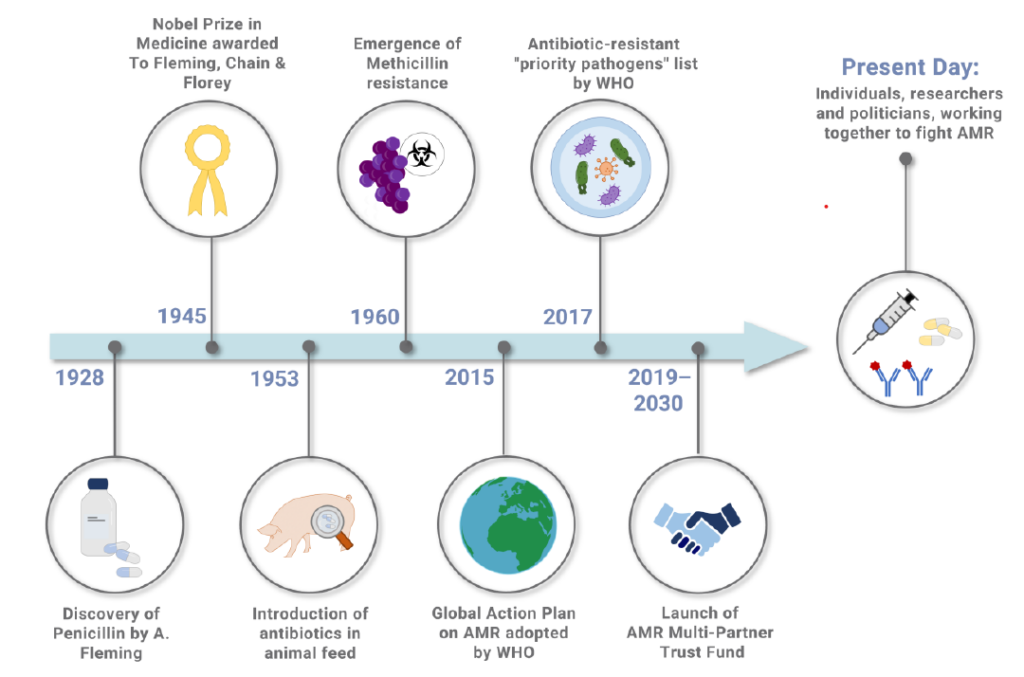
antibiotics and antimicrobial resistance.
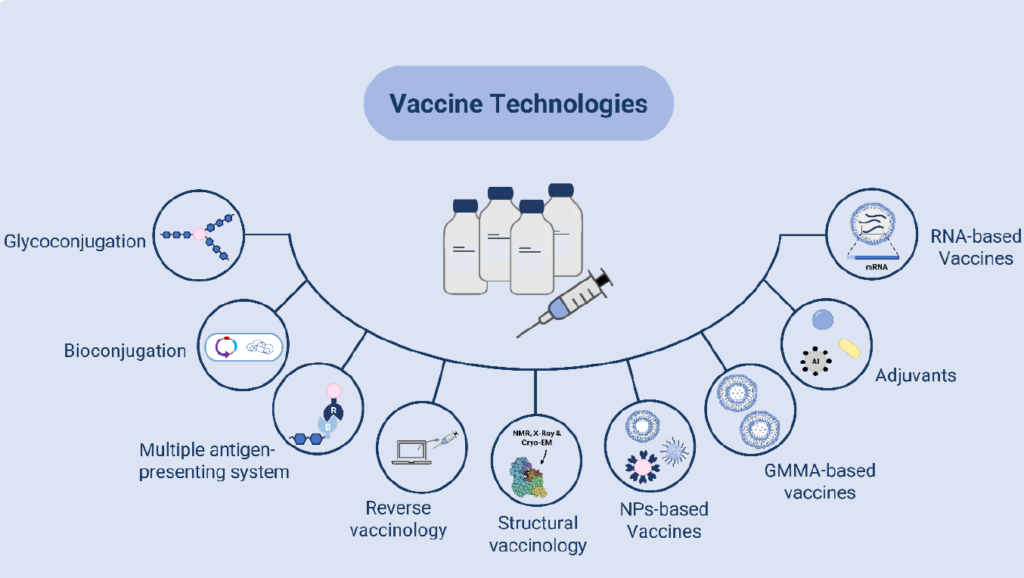
development of vaccines against AMR pathogens.