
Highly accurate protein structure prediction with AlphaFold

Author(s)

K. Tunyasuvunakool, J. Adler, Z. Wu, T. Green, M. Zielinski, A. Žídek, A. Bridgland, A. Cowie, C. Meyer, A. Laydon, S. Velankar, G.J. Kleywegt, A. Bateman, R. Evans, A. Pritzel, M. Figurnov, O. Ronneberger, R. Bates, S.A.A. Kohl, A. Potapenko, A.J. Ballard, B. Romera-Paredes, S. Nikolov, R. Jain, E. Clancy, D. Reiman, S. Petersen, A.W. Senior, K. Kavukcuoglu, E. Birney, P. Kohli, J. Jumper & D. Hassabis

Sources

Highly accurate protein structure prediction with AlphaFold https://doi.org/10.1038/ s41586-021-03819-2 (2021). https://doi.org/10.1038/s41586-021-03819-2 Nature

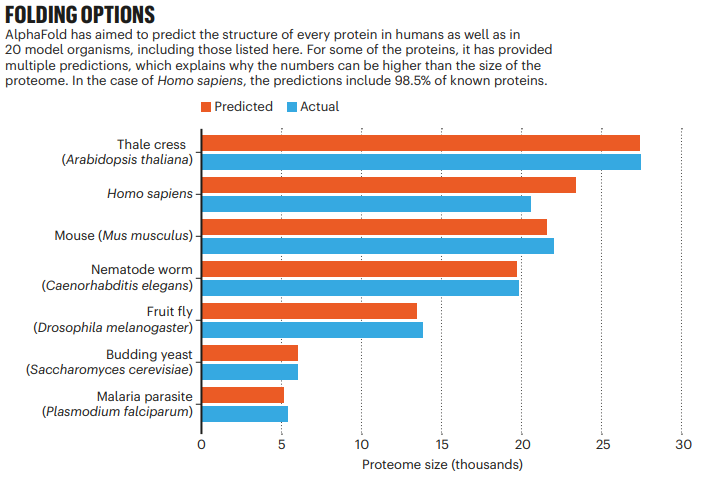
The transformative artificial intelligence (AI) tool called AlphaFold, has predicted the 3 dimensional structures of nearly the entire human proteome (98.5% of human proteins). The resulting dataset covers 58% of residues with a confident prediction, of which a subset (36% of all residues) have very high confidence. Furthermore, the tool has predicted almost complete proteomes for various other organisms, ranging from mice and maize (corn) to the malaria parasite.
alphafold.png
The predicted 3 dimensional structures are freely available to the community via a public database hosted by the European Bioinformatics Institute at https://alphafold.ebi.ac.uk/.
Latest news

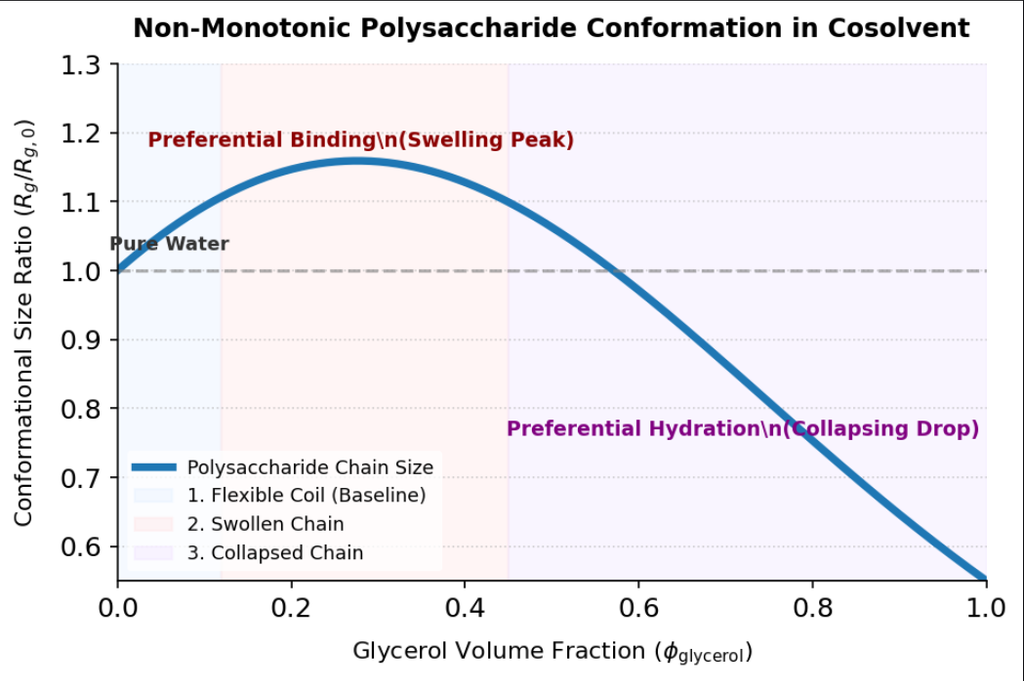
This study uncovers a surprising, non-linear behavior in how polysaccharides change shape when you add...

Isotopic metabolomics reveals that plant species exhibit highly divergent carbon allocation and metabolic rewiring strategies...

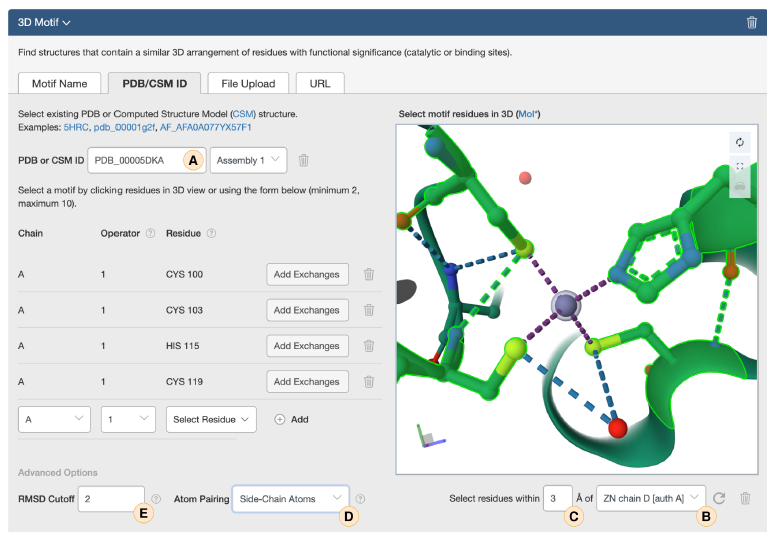
The Protein Data Bank (PDB), established in 1971, is the primary global, open-access archive for...

Carbohydrates are among the most abundant and structurally diverse biomolecules in nature, playing central roles...